Ugochukwu Uzuegbu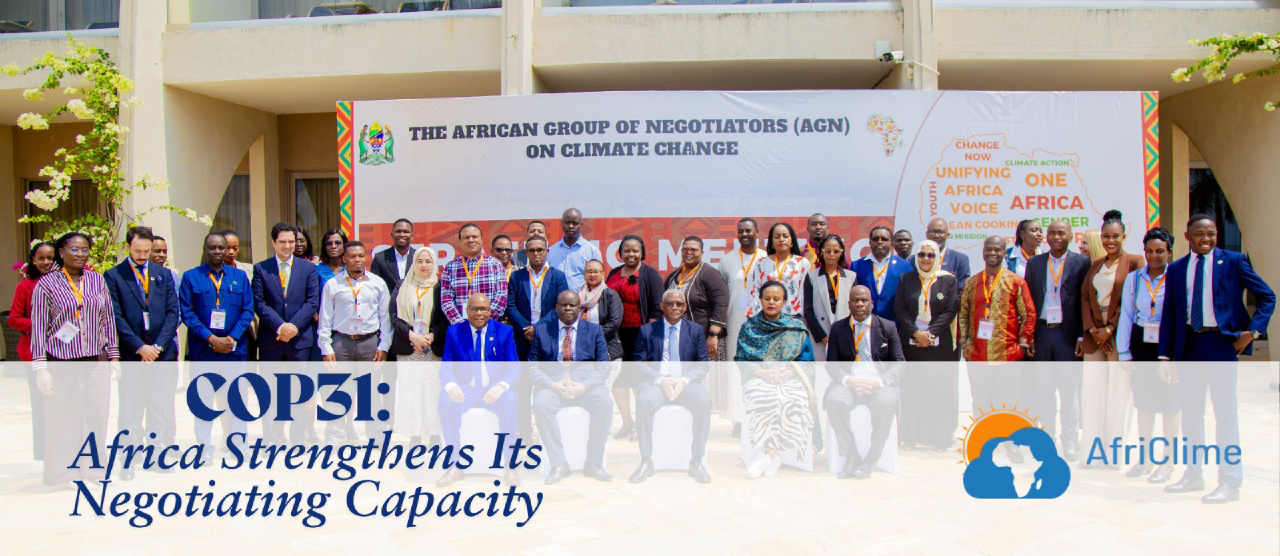
COP31: Africa Strengthens Its Negotiating Capacity
As COP31 approaches, Africa is strengthening the technical and analytical capacity supporting its negotiations ahead of the conference taking place in Antalya, Turkey, later this year from 9-20 November 2026. INCLUDE Knowledge Platform and the African Group of Negotiators (AGN), in partnership with the African Union Economic, Social and Cultural Council (AU ECOSOCC) and ECOWAS, has opened a call for applications for a Chief Analyst and six Thematic Analysts positions to support African Negotiations Situation Room during the conference. The Thematic analysts will be appointed in each of 6 priority areas: Loss and Damage, Climate Finance, Mitigation and Fossil Fuel Transition, Article 6 Carbon Markets, Technology Transfer and Just Transition, providing negotiators with live monitoring of emerging negotiations texts, analytical briefings, and coordinated intelligence across key thematic areas.
They will contribute to preparations ahead of COP31, as well as support African negotiators to analyse emerging negotiation texts, maintain thematic position maps, prepare rapid policy briefs during the conference, and post COP31 reporting and evaluation. This will equip negotiators with timely evidence, technical expertise, and coordinated intelligence throughout the conference.
The AGN has worked to shape negotiation outcomes and advance Africa’s positions at the Conference of the Parties, securing important gains over the years. These include keeping Loss and Damage high on the global climate agenda, contributing to the establishment of the Warsaw International Mechanism in 2013, and much later, the agreement at COP27 in 2022 to establish a dedicated Loss and Damage Fund. The AGN has also consistently pushed for greater attention to adaptation and for developed countries to meet their long-standing climate-finance commitments, including the goal of mobilising USD 100 billion annually, while highlighting Africa’s high vulnerability to climate change despite the continent’s relatively small contribution to global emissions.
However, significant gaps remain between Africa’s negotiating priorities and the outcomes delivered at COPs. COP29 in Baku, for example, concluded with a new climate-finance goal under which developed countries committed to take the lead in mobilising at least USD 300 billion annually for developing countries by 2035, alongside efforts to scale total finance to USD 1.3 trillion annually. African and other developing-country negotiators criticised the outcome as inadequate relative to the scale of their needs.
As COP31 approaches, strengthening Africa’s technical and analytical capacity could therefore be critical, not only to defend existing priorities, but to negotiate more effectively for outcomes that translate into meaningful support for countries and communities across the continent.